
Termite Control
What happens during a termite inspection?
Answers about termite control in Southern Maryland & Northern Virginia.
During a termite inspection, we examine the structure, foundation, and surrounding soil. This helps identify active termite activity, past damage, and areas that put the home at risk.
Trusted Local Experience
Gene Wright began professional pest work in 1998, and founded Planet Friendly Pest Control in 2010 to bring that experience to homeowners across Northern Virginia and Southern Maryland.
Why This Happens
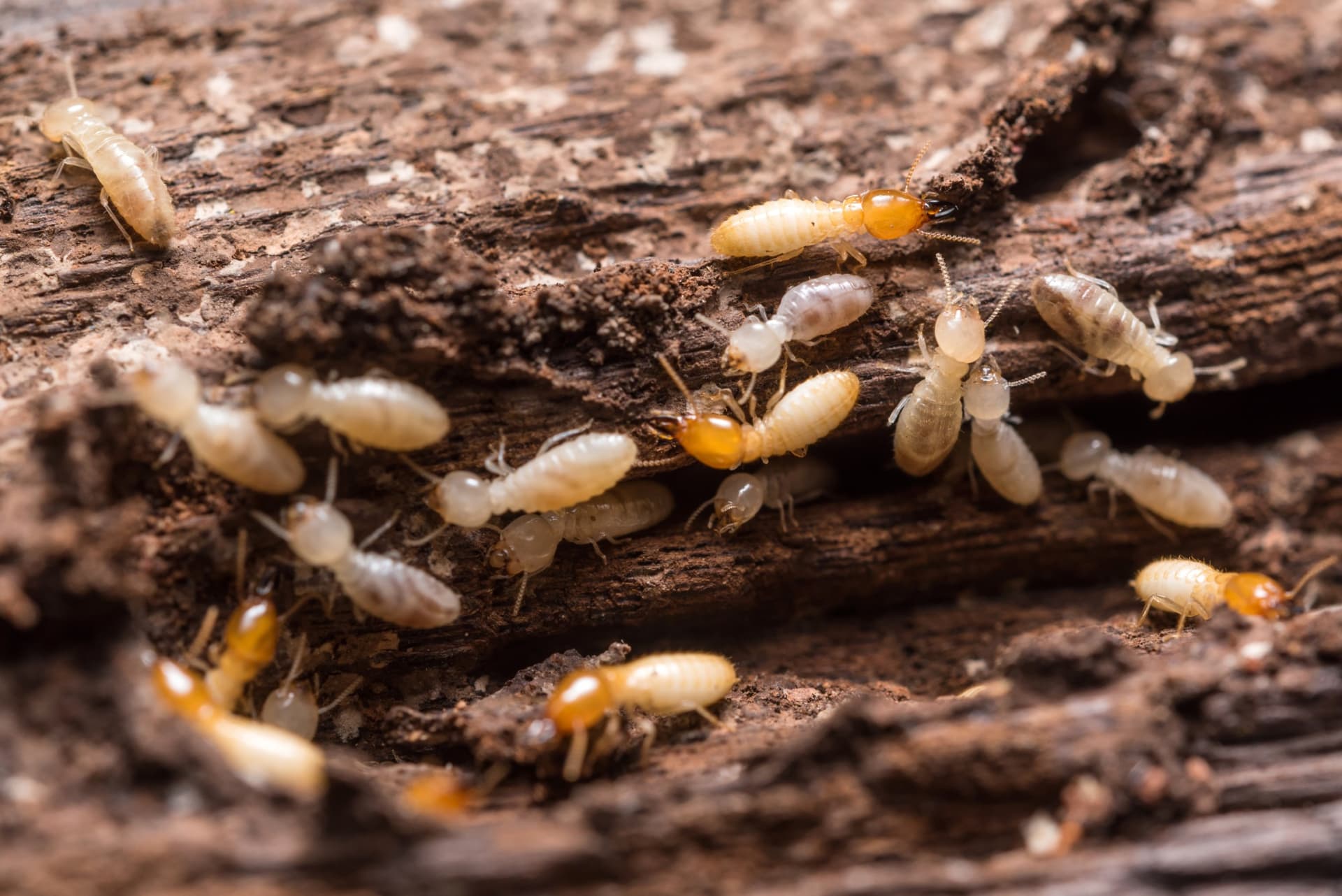
Termites don’t stay in one obvious spot. They move between soil, foundation, and wood framing, often without leaving clear signs in living areas.
In Northern Virginia and Southern Maryland, moisture, soil contact, and construction styles make termite pressure common. Basements, crawlspaces, decks, and foundations are especially important because that’s where termites usually enter first.
Homeowners often ask this question because they want to know if an inspection is invasive or disruptive. In reality, it’s a careful, visual, experience-driven process, not guesswork.
What This Means for Your Home
A proper inspection answers three big questions homeowners care about:
Even if no termites are found, the inspection still has value. It identifies risk conditions—like moisture, wood-to-soil contact, or hidden entry points—that could lead to problems later.
For many homeowners, the biggest benefit is peace of mind. You get clarity instead of guessing.
- Are termites active right now?
- Has there been damage already?
- How likely is future activity if nothing changes?
How Professionals Address It
A thorough termite inspection typically includes:
This inspection-first approach helps avoid over-treatment. The goal is to understand what’s actually happening, not to assume the worst.
- Checking the foundation for mud tubes or entry points
- Inspecting crawlspaces and basements for moisture and wood damage
- Examining structural wood, framing, and sill plates
- Looking at exterior conditions like grading, mulch, and drainage
- Assessing surrounding soil where termites live
What Homeowners Can Do Now
You don’t need to prepare heavily, but a few simple steps help:
There’s no need to open walls or disturb anything beforehand.
- Clear access to crawlspace doors, basements, and utility areas
- Move stored items slightly away from foundation walls if possible
- Make note of any areas where you’ve seen damage, wings, or mud tubes
- Share any past termite history or reports
- Ask questions—understanding matters more than speed
The Experience Behind This Answer
This information is provided by Planet Friendly Pest Control, a locally owned pest control company serving Northern Virginia and Southern Maryland.
Our recommendations are based on real-world experience protecting homes in this region since 1998. We focus on inspection-first, exterior-focused termite control using the least amount of treatment necessary to protect the structure, families, and pets.
Every home is different. That’s why our guidance is based on how termites actually behave in local soil, moisture, and construction conditions—not generic advice or one-size-fits-all solutions.
When to Call a Professional
If you’ve seen termite signs, are buying or selling a home, or haven’t had an inspection in several years, it’s a good time to schedule one. Inspections are especially valuable before damage becomes visible.
A professional inspection gives you facts, not pressure. You’ll know whether termites are active, what risks exist, and what—if anything—makes sense to do next.
If you’re in Northern Virginia or Southern Maryland, Planet Friendly Pest Control provides inspection-driven termite evaluations focused on structure, soil, and prevention—not unnecessary treatment.
Common Questions
How long does a termite inspection take? Most inspections take about 45–90 minutes, depending on the home.
Is the inspection invasive? No. It’s primarily visual and focused on accessible areas.
Will I get a report? Yes. Findings and recommendations are explained clearly.
Does an inspection mean I need treatment? Not always. Many inspections confirm no active termites but identify risk areas to watch.
Ready to book your free inspection?
Hundreds of Google reviews across our verified service locations. Schedule a free, no-obligation inspection and we’ll start with the exterior — where most problems begin.